Is Alcohol Considered a Stimulant? Understanding Its Effects
Contents
- Key Takeaways
- Effects of Alcohol on the Central Nervous System
- Alcohol as a Depressant
- Short-Term Stimulation
- Health Implications and Risks of Alcohol Consumption
- Long-Term Consequences
- Alcohol Use Disorder and Dependence
- Frequently Asked Questions
- Why does alcohol act as a depressant instead of a stimulant?
- Can alcohol have stimulant effects in smaller doses?
- How can a depressant like alcohol sometimes cause increased energy or euphoria?
- Sources
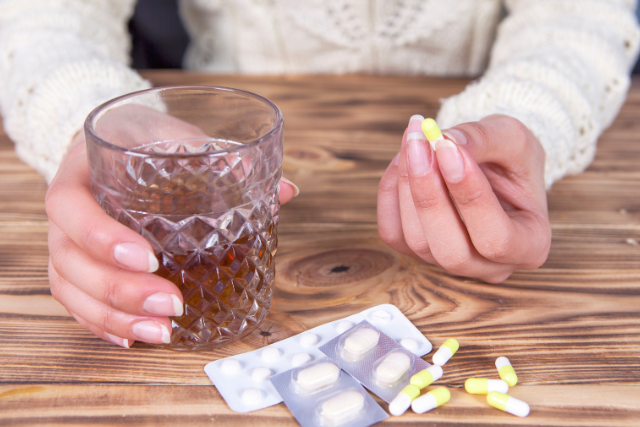
Not everyone realizes that alcohol, often seen as a social lubricant, is a depressant. While it may temporarily boost your mood, alcohol slows down the central nervous system, causing feelings of relaxation. This is why it’s not considered a stimulant.
When you drink, you might feel more relaxed or even energized at first, but this effect wears off. Researchers describe alcohol’s effects as biphasic: stimulant-like feelings while blood alcohol rises and sedation at higher levels and as it falls. The calming effects of alcohol become more noticeable as you continue to drink. This can lead to drowsiness and slower reaction times.
So, to the question “Is alcohol considered a stimulant?”, the answer is “NO”.
Understanding how alcohol impacts your body is important. Drinking too much can lead to serious health problems. Knowing the truth about alcohol as a depressant helps you make better choices.
Key Takeaways
- Alcohol is a depressant, not a stimulant.
- It slows down the central nervous system, leading to relaxation and drowsiness.
- Excessive consumption can cause serious health issues.
Effects of Alcohol on the Central Nervous System

Alcohol impacts the central nervous system in various ways, acting mainly as a depressant but also providing short-term stimulation. These effects can influence your brain activity, coordination, and judgment.
Alcohol as a Depressant
Alcohol is primarily a depressant. It slows down brain activity and affects neurotransmitters. One key neurotransmitter involved is GABA. GABA inhibits brain signals, leading to slower reaction times and reduced coordination. As a result, you may find it difficult to perform tasks that require fine motor skills.
The depressant effect also impacts judgment. When you drink, your ability to make decisions becomes impaired. This can lead to risky behaviors and poor choices. Alcohol also affects blood pressure and heart rate: a Cochrane review found that drinking raises heart rate and that moderate to high doses lower blood pressure for several hours, after which it can rise.
Short-Term Stimulation
While alcohol is mainly a depressant, it can also cause short-term stimulation. This is often due to the release of dopamine, a neurotransmitter linked to feelings of pleasure and reward. Initially, you might feel more sociable and talkative.
This short-term effect can make you feel euphoric. Your heart rate also tends to rise after drinking. Despite this initial stimulation, these effects wear off quickly, leading back to the depressant state that typically dominates alcohol’s influence on the nervous system.
Health Implications and Risks of Alcohol Consumption
Alcohol consumption can lead to severe health consequences, both in the short-term and long-term. The risks include physical illnesses and mental health issues.
Long-Term Consequences
Consuming alcohol regularly can damage your body. Long-term drinking can lead to liver disease, such as cirrhosis. This happens because your liver works too hard trying to process the toxins in alcohol. Also, heavy drinking raises the risk of certain cancers, including mouth, throat, and liver cancer.
Memory loss and other cognitive impairments can occur. Long-term use can cause brain damage. Drinking too much over time can increase your chances of suffering a stroke. Your mental health can also suffer. Regular drinking can lead to anxiety and depression, making you feel worse over time.
Alcohol Use Disorder and Dependence
You may develop an addiction known as alcohol use disorder (AUD) if you drink too much. This condition makes it hard to control your drinking. Dependence can lead to withdrawal symptoms when you try to stop, such as shaking, sweating, and nausea.
Binge drinking and alcohol abuse can quickly turn into a serious problem. In severe cases, overconsumption can lead to alcohol poisoning, a potentially deadly situation. Coffee and cold showers do not reverse it; call 911 if someone cannot be woken or is breathing slowly. Treatment often involves therapy and support groups to help you recover from addiction and improve your overall health.
In sum, alcohol has many risks. It can cause serious health problems that affect both your body and mind.
Frequently Asked Questions

Alcohol is often misunderstood in terms of its effects on the body. This section covers questions about how alcohol behaves as a depressant, its stimulant effects, and why it can sometimes make people feel energetic.
Why does alcohol act as a depressant instead of a stimulant?
Alcohol slows down the central nervous system. This can cause feelings of relaxation and drowsiness. The main reason is that it enhances the effect of a neurotransmitter called GABA, which lowers brain activity.
Can alcohol have stimulant effects in smaller doses?
Yes, in small amounts and while blood alcohol is rising, alcohol can produce stimulant-like effects. It can increase heart rate and make you feel more social or talkative. This is linked to the release of dopamine and other brain chemicals that make you feel good.
How can a depressant like alcohol sometimes cause increased energy or euphoria?
Alcohol can cause increased energy or euphoria due to its impact on the brain’s reward system. It increases the release of dopamine and other chemicals that make you feel happy and alert. These effects are often short-lived and can lead to a crash later on.
Sources
- Subjective Stimulant and Sedative Effects of Alcohol During Early Drinking Experiences Predict Alcohol Involvement in Treated Adolescents, Journal of Studies on Alcohol and Drugs (PMC)
- Effect of alcohol on blood pressure, Cochrane Database of Systematic Reviews (PMC)
- Understanding the Dangers of Alcohol Overdose, NIAAA