Why Do People Get Angry When Drunk: Understanding Alcohol-Induced Aggression

Contents
- Key Takeaways
- Alcohol-Induced Aggression
- The Effects of Alcohol on the Brain and Emotions
- Psychological and Social Factors
- Managing Anger and Reducing Alcohol-Related Aggression
- Strategies for Anger Management and Control
- Frequently Asked Questions
- How does alcohol consumption lead to changes in behavior?
- What is alcoholic rage syndrome and how does it relate to alcohol-induced anger?
- What are the strategies to prevent or manage episodes of anger when intoxicated?
- Is there a psychological explanation for why some individuals become angry when drunk?
- Sources
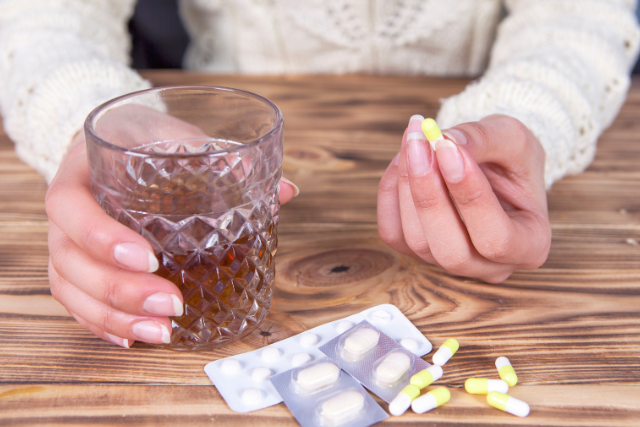
Ever wondered why people get angry when drunk? Alcohol affects the brain in different ways, impacting emotions and behavior. It lowers your inhibitions, making it easier to express anger and irritation. When drinking alcohol, the brain can’t regulate emotions as efficiently, leading to mood swings and aggressive behavior.
Not everyone reacts this way. Research shows that only a minority of drinkers become aggressive, and personal traits, expectations and the setting all play a part.
Key Takeaways
- Alcohol lowers inhibitions, making anger more likely.
- Drinking affects brain function and emotional control.
- Managing alcohol intake can reduce aggression.
Alcohol-Induced Aggression
Alcohol can cause changes in the brain and behavior, leading to aggression. It affects cognitive functions and emotional regulation and is influenced by psychological and social factors.
The Effects of Alcohol on the Brain and Emotions
When you drink alcohol, it affects your brain and emotions. Alcohol impacts the prefrontal cortex, which is responsible for decision-making and impulse control. This can make it harder for you to think clearly and manage your behavior, leading to increased aggression.
Alcohol also affects the central nervous system, acting as a depressant. This means it slows down brain activity, which can lower your inhibitions. With lower inhibitions, you might act impulsively and become irritable or aggressive. For some, this can lead to becoming an “angry drunk.”
Brain chemistry plays a role too. A 2023 review of the neurobiology of aggression notes that alcohol affects dopamine and serotonin systems, and lower serotonin activity is linked to weaker impulse control.
Another factor is alcohol myopia. When you are drunk, your attention narrows to what is right in front of you. You may read a neutral comment or look as a threat and miss the cues that would normally calm you down.
Psychological and Social Factors
Beyond the brain’s chemistry, there are psychological and social factors that can contribute to alcohol-induced aggression. Personal history and genetic factors can play a role in how someone reacts to alcohol. For example, past exposure to violence or a difficult early environment can make aggressive behavior more likely when drunk.
Traits matter as well. Researchers reviewing alcohol-related aggression found higher risk in people who are easily irritated, low in empathy, or who expect alcohol to make them aggressive. Men are also at higher risk.
Social situations also matter. Binge drinking in a setting with others who are also intoxicated can lead to competitive or confrontational situations. Peer pressure and social norms can sometimes encourage aggressive behavior.
Psychological factors like stress, anxiety, or underlying emotional problems can also be risk factors. When these issues combine with alcohol use, you may find it harder to regulate your emotions and react aggressively. Understanding these factors is key to recognizing and addressing alcohol-induced aggression.
Managing Anger and Reducing Alcohol-Related Aggression
Alcohol lowers your inhibitions, making it easier to express anger and aggression. Effective strategies can help control these emotions and reduce hostile behaviors.
Strategies for Anger Management and Control
1. Recognize Triggers
Identify what situations or people make you angry. Understanding your triggers helps you avoid or prepare for these situations. This is crucial for heavy drinkers who may experience more intense reactions.
2. Practice Self-Control Techniques
Try deep breathing, counting to ten, or stepping away from a heated moment. These methods can decrease rage and allow you to think clearly.
3. Seek Professional Help
Therapists can use Cognitive Behavioral Therapy (CBT) to address anger issues. If you have an underlying condition like PTSD or anxiety, talk to a doctor about treatment options that are right for you.
4. Limit Alcohol Intake
Reducing your alcohol consumption can significantly lower the risk of aggressive behavior. Reflect on your relationship with alcohol and consider speaking to a healthcare professional if addiction is an issue.
5. Build Empathy and Communication Skills
Learn to understand other people’s feelings. Empathy can decrease tension and improve interactions, reducing the chances of hostile encounters.
6. Join a Treatment Program
If you struggle with substance abuse, look into recovery programs. These programs offer support and strategies to manage both your anger and your drinking.
7. Legal and Health Considerations
Be aware that alcohol-related aggression can have serious consequences, including legal issues and harm to your health. Acute intoxication plays a role in roughly half of all violent crimes and sexual assaults worldwide, according to the review above.
Frequently Asked Questions

When people drink alcohol, their behavior can change, leading to anger in some cases. Understanding these changes can help manage or prevent anger when intoxicated.
How does alcohol consumption lead to changes in behavior?
Alcohol affects your brain and impairs your decision-making and self-control. This can lead to changes in behavior, making you more likely to get angry or act aggressively.
What is alcoholic rage syndrome and how does it relate to alcohol-induced anger?
“Alcoholic rage syndrome” is an informal term, not a recognized medical diagnosis. People use it to describe someone who becomes extremely angry or violent after drinking.
It reflects the same effects described above: weaker impulse control, narrowed attention and personal risk factors. Repeated episodes are a sign to talk to a doctor or counselor.
What are the strategies to prevent or manage episodes of anger when intoxicated?
You can limit your alcohol intake, drink water in between alcoholic beverages, and avoid situations that might trigger anger. Knowing your limits and sticking to them can also help prevent episodes of anger when you drink.
Is there a psychological explanation for why some individuals become angry when drunk?
Yes, some people might have underlying psychological issues like stress or anxiety that become more pronounced when they drink. Alcohol lowers inhibitions, so these feelings can come out as anger or aggression.
If drinking is causing anger or harm in your life, you can call SAMHSA’s National Helpline at 1-800-662-4357. It is free, confidential and available 24/7.
Sources
- Alcohol-Related Aggression: Social and Neurobiological Factors, Deutsches Ärzteblatt International
- Neurobiology of Aggression: Review of Recent Findings and Relationship with Alcohol and Trauma, Biology (Basel)
- Alcohol and the Prefrontal Cortex, International Review of Neurobiology
- National Helpline for Mental Health, Drug, Alcohol Issues, SAMHSA