
Alcoholic Jaundice Eyes: Causes, Symptoms, and Treatment Options
Contents
- Key Takeaways
- Understanding Alcoholic Jaundice
- Pathophysiology of Alcoholic Jaundice
- Identifying Symptoms and Complications
- Treatment and Prevention Strategies
- Medical Treatment Options
- Lifestyle Adjustments and Recovery
- Frequently Asked Questions
- What is the typical duration for recovery from alcoholic jaundiced eyes?
- What are the visible symptoms of alcoholic jaundice?
- How does alcohol abuse lead to yellowing of the eyes?
- Is it possible to reverse the yellowing of eyes caused by excessive alcohol consumption?
- What are the implications of alcoholic jaundice for overall liver health?
- Can quitting alcohol improve symptoms of jaundice?
- Sources
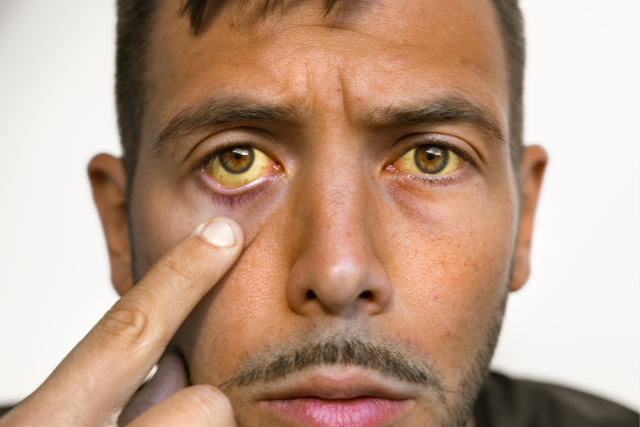
Seeing those yellow eyes can be alarming every time you look in the mirror. Alcoholic jaundice eyes are a sign that your liver is struggling because of heavy drinking. Understanding why this happens can help you take steps to get better.
When you drink too much alcohol, your liver can’t process it all. This can lead to jaundice, where the white part of your eyes turns yellow. If you spot this early, you might be able to prevent more serious damage.
Key Takeaways
- Heavy drinking can cause yellow eyes.
- Yellow eyes are a sign your liver is in trouble.
- Early action can help prevent severe liver damage.
Understanding Alcoholic Jaundice
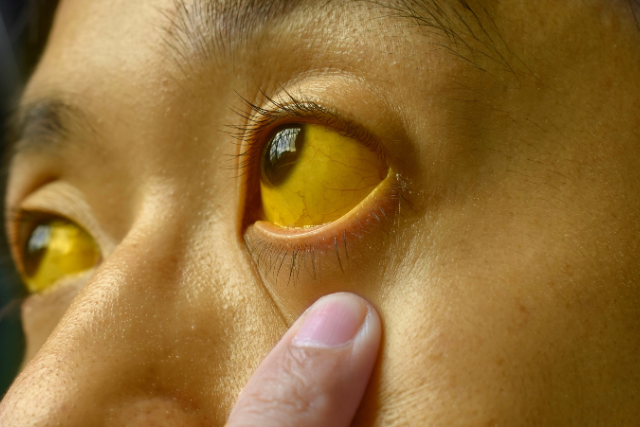
Alcoholic jaundice is a condition that often arises due to excessive alcohol consumption, leading to liver damage and inflammation. Recognizing the symptoms and understanding the underlying causes is crucial to seek proper medical intervention.
Pathophysiology of Alcoholic Jaundice
Alcoholic jaundice occurs when alcohol damages the liver, causing inflammation and scarring. Over time, the liver cells become less effective, leading to conditions like alcoholic hepatitis and cirrhosis. The liver’s inability to process toxins and nutrients properly results in the buildup of bilirubin in the blood.
This buildup of bilirubin causes the yellowing of the skin and eyes, known as jaundice. The liver damage also affects blood flow through the portal vein, leading to complications like ascites and varices. Severe cases may even result in liver failure, which is life-threatening.
Identifying Symptoms and Complications
Symptoms of alcoholic jaundice include yellowing of the skin and eyes, fatigue, and vomiting. You might also experience fever, swelling in the abdomen, and bleeding. These symptoms indicate severe liver damage, often requiring immediate medical attention. MedlinePlus advises emergency care for yellowing of the skin or eyes that is new or gets worse quickly.
Complications can be severe, including hepatic encephalopathy, kidney failure, and coma. Ascites, or fluid buildup in the abdomen, is another common issue, and cirrhosis can cause internal bleeding from enlarged veins called varices. Recognizing these symptoms early can help to manage the disease more effectively and reduce the risk of fatal outcomes.
Treatment and Prevention Strategies
Treating and preventing alcoholic jaundice eyes involves both medical interventions and lifestyle changes. Appropriate treatment could include medications and sometimes surgery, while preventive strategies emphasize abstaining from alcohol and adopting a healthier lifestyle.
Medical Treatment Options
Doctors often begin by addressing the underlying liver condition causing jaundice. Abstinence from alcohol is crucial, as continued drinking worsens the liver damage. Medications such as corticosteroids might be prescribed to reduce liver inflammation. In severe cases, antibiotics can treat infections that could arise due to a weakened liver.
For advanced liver disease, a liver transplant could be necessary. This surgery replaces the damaged liver with a healthy one from a donor. Transplant centers usually require complete abstinence first. A transplant for alcoholic liver disease is typically considered only after 6 months without alcohol.
Lifestyle Adjustments and Recovery
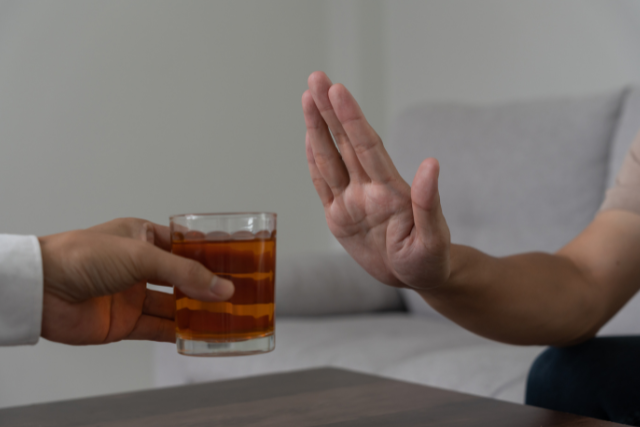
Changing your lifestyle to support liver health is vital. Abstinence from alcohol prevents further liver damage. If you drink heavily, talk to a doctor before quitting, because alcohol withdrawal can be dangerous. Medically supervised detox can help you stop safely.
Adopting dietary changes like eating balanced meals and avoiding high-fat foods can benefit your liver. If you have alcohol-related liver damage, you should not drink any alcohol, including occasional or binge drinking. Regular exercise and weight loss can help manage fatty liver disease and improve overall health.
Joining a support group or entering therapy aids in maintaining sobriety and making lasting lifestyle changes. Keeping a journal to track your progress can also be motivating and helpful.
Read Also: How To Stop Alcohol Insomnia
Frequently Asked Questions
Alcoholic jaundice eyes can cause yellowing of the eyes due to liver damage from alcohol abuse. Learn about the symptoms, causes, and possible recovery steps.
What is the typical duration for recovery from alcoholic jaundiced eyes?
The duration of recovery can vary widely. It often depends on the extent of liver damage and the individual’s overall health. For some, it might take a few weeks, while others could require several months.
What are the visible symptoms of alcoholic jaundice?
Visible symptoms include yellowing of the eyes and skin, dark urine, and pale stools. You might also experience fatigue, abdominal pain, and unintended weight loss.
How does alcohol abuse lead to yellowing of the eyes?
Excessive alcohol consumption can damage the liver. When the liver is unable to process bilirubin effectively, it builds up in the blood, leading to the yellowing of the eyes and skin.
Is it possible to reverse the yellowing of eyes caused by excessive alcohol consumption?
Often, yes, if the damage is caught early and you stop drinking. Recovery depends on the extent of liver damage. With severe damage, such as advanced cirrhosis, the liver cannot return to normal, so early care matters.
What are the implications of alcoholic jaundice for overall liver health?
Alcoholic jaundice is a sign of serious liver damage. It can lead to conditions like cirrhosis or liver failure if left untreated. Prompt medical intervention is crucial to prevent further damage.
Can quitting alcohol improve symptoms of jaundice?
Yes, quitting alcohol can improve symptoms. Abstinence allows the liver to heal, which can reduce or eliminate the yellowing of the eyes and other symptoms of jaundice.
Sources
- Symptoms & Causes of Cirrhosis, NIDDK
- Alcoholic Liver Disease, MedlinePlus