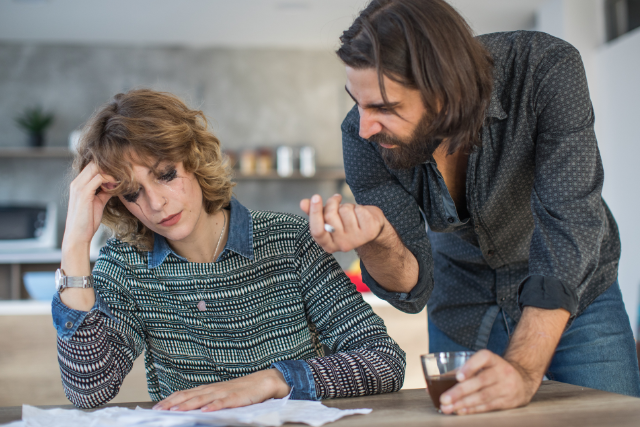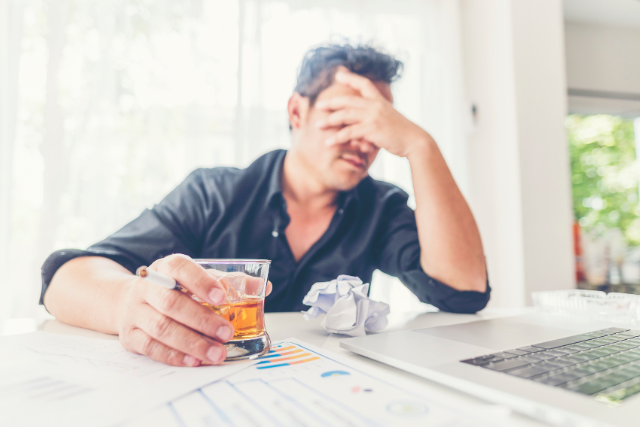
Worst Antidepressants to Mix with Alcohol: A Critical Guide
Contents
- Key Takeaways
- Risks of Mixing Antidepressants With Alcohol
- Side Effects and Interactions
- Impact on Mental and Physical Health
- Consulting Healthcare Professionals
- Seeking Medical Advice
- Alternative Treatments and Therapies
- Frequently Asked Questions
- What are the risks of combining antidepressants with alcohol?
- Are there any antidepressants that are considered safer to use with alcohol?
- What effects does alcohol have on the efficacy of SSRIs?
- What are the potential consequences of drinking alcohol while on antidepressant medication?
- Sources
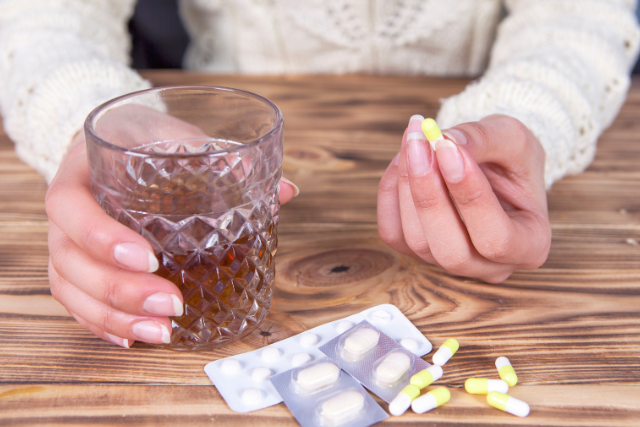
Mixing antidepressants with alcohol can be risky for both your mental and physical health. According to the NIAAA's list of harmful alcohol-medication interactions, alcohol can add to drowsiness and dizziness with all antidepressants. Knowing which antidepressants carry the highest risk is crucial for staying safe and managing your treatment effectively.
What are the worst antidepressants to mix with alcohol? Let’s find out!
Key Takeaways
- Certain antidepressants can interact dangerously with alcohol.
- Drinking while on antidepressants can worsen health conditions.
- Always consult your doctor before mixing medication with alcohol.
Risks of Mixing Antidepressants With Alcohol
Mixing antidepressants with alcohol can lead to serious side effects and health risks. It can impact your mental and physical well-being significantly.
Side Effects and Interactions
Combining alcohol with antidepressants like SSRIs (Selective Serotonin Reuptake Inhibitors) and SNRIs (Serotonin-Norepinephrine Reuptake Inhibitors) can cause drowsiness, dizziness, and impaired coordination. These effects can add to the depressant effects of alcohol, making you more prone to accidents.
MAOIs (Monoamine Oxidase Inhibitors) are generally considered the riskiest. Some fermented alcoholic drinks contain tyramine, which can cause a sudden, dangerous rise in blood pressure in people taking an MAOI. The NIAAA warns this combination may result in serious heart-related side effects.
Tricyclic antidepressants (TCAs) can cause severe drowsiness and dizziness when combined with alcohol. Like other antidepressants, they also carry an increased risk of overdose when mixed with alcohol.
Serotonin syndrome is a life-threatening condition caused by too much serotonin activity in the body. It usually happens when two or more drugs that raise serotonin are combined, such as an SSRI plus a triptan or certain painkillers. MedlinePlus does not list alcohol among its causes, but tell your doctor about every medication and supplement you take.
Impact on Mental and Physical Health
Alcohol use while on antidepressants can worsen mental health conditions, including depression and anxiety. The NIAAA notes that the combination can increase feelings of depression or hopelessness, making recovery more challenging. This can lead to a cycle of increased alcohol consumption and worsened symptoms.
Long-term alcohol use can lead to liver damage and other physical health issues. People with alcohol addiction or alcohol use disorder face an increased risk when combining these substances. Liver damage is a specific concern with some antidepressants, such as duloxetine (Cymbalta), when combined with alcohol.
Mixing alcohol with antidepressants can also reduce reaction time and affect decision-making skills, increasing the risk of injuries. For individuals with pre-existing conditions like generalized anxiety disorder, obsessive-compulsive disorder, PTSD, or trauma, alcohol can exacerbate these issues, making it harder to manage them effectively.
Consulting Healthcare Professionals
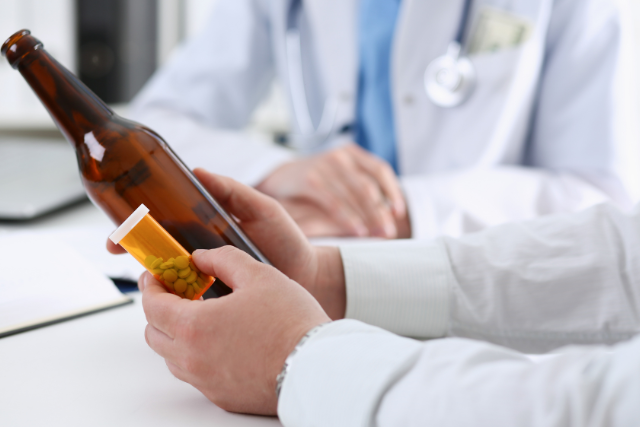
When mixing antidepressants with alcohol, it’s important to talk with your healthcare professional about safe practices and alternative treatments.
Seeking Medical Advice
Consult a doctor about possible interactions between antidepressants and alcohol. Mixing these substances can lead to serious health risks such as increased depression, anxiety, or dangerous side effects. It’s vital to discuss your current medications, any physical health conditions, and mental health disorders.
Withdrawal symptoms may also arise if you suddenly stop taking an antidepressant, for example to drink. Never stop or skip doses without your doctor’s guidance. Healthcare professionals can provide tailored advice to manage these risks. Don’t hesitate to mention any addiction concerns, as they can recommend specific treatment and recovery plans suited to your situation.
Alternative Treatments and Therapies
If combining antidepressants and alcohol is a concern, ask your doctor about alternative treatments. Therapies such as cognitive-behavioral therapy (CBT) or counseling can help in managing mental health disorders, either alongside medication or, for some people, instead of it.
Therapists and doctors can also suggest holistic approaches like exercise, diet changes, and stress reduction techniques. These can support your treatment, but never stop or lower an antidepressant dose on your own.
By exploring various treatment options, you can find a solution that best fits your lifestyle and health needs without compromising your recovery or mental well-being.
Frequently Asked Questions
Mixing antidepressants with alcohol can lead to serious side effects. Some antidepressants have higher risks than others when combined with alcohol.
What are the risks of combining antidepressants with alcohol?
Combining antidepressants with alcohol can cause increased drowsiness and dizziness. It might also make depression and anxiety worse. With MAOIs, some drinks can trigger a dangerous spike in blood pressure.
Are there any antidepressants that are considered safer to use with alcohol?
No antidepressant is considered fully safe to mix with alcohol. Even for common SSRIs like sertraline, MedlinePlus notes that alcohol can make side effects worse. Talk to your doctor before drinking while on any medication.
What effects does alcohol have on the efficacy of SSRIs?
Alcohol is a depressant, so it can worsen depressive symptoms and work against your treatment. This might result in a return of depressive symptoms.
What are the potential consequences of drinking alcohol while on antidepressant medication?
You might experience increased sedation, which can be dangerous if you need to drive or operate machinery. Alcohol can also make other side effects worse. In severe cases, mixing the two can lead to overdose, liver damage with some drugs, or other serious health issues.
If you are struggling with drinking, you can call SAMHSA’s National Helpline at 1-800-662-4357. It is free, confidential and available 24/7.
Sources
- Harmful Interactions: Mixing Alcohol With Medicines, NIAAA
- Serotonin Syndrome, MedlinePlus
- Sertraline, MedlinePlus
- Phenelzine, MedlinePlus