
Does Alcohol Increase Cortisol: Understanding Its Impact on Your Health

Contents
- Key Takeaways
- Effects of Alcohol on Cortisol Secretion
- Understanding Cortisol
- Alcohol’s Impact on the HPA Axis
- Cortisol Levels in Drinkers
- Biopsychosocial Implications of Elevated Cortisol
- Influence on Mental Health
- Physiological and Cognitive Effects
- Alcohol Use and Long-Term Health Outcomes
- Managing Cortisol Disturbances in Alcohol Use
- Behavioral Interventions and Therapies
- Pharmacological Supports
- Frequently Asked Questions
- How does alcohol consumption impact cortisol levels in the body?
- Can drinking alcohol lead to an increase in cortisol production?
- What is the relationship between withdrawal from alcohol and changes in cortisol levels?
- How can alcohol consumption affect cortisol levels and subsequent sleep quality?
- Sources
Does alcohol increase cortisol? Yes, alcohol can increase cortisol levels in your body. A review in Alcohol Research: Current Reviews notes that acute doses of alcohol usually raise cortisol in social drinkers. This stress hormone, when elevated, can lead to various health issues.
When you drink alcohol, your body may experience a spike in stress. High cortisol levels can have negative effects on your body and mind. It’s essential to understand how alcohol impacts this hormone and what you can do to manage it.
Key Takeaways
- Alcohol can raise cortisol levels.
- High cortisol can affect your physical and mental health.
- Managing alcohol intake can help control cortisol disturbances.
Effects of Alcohol on Cortisol Secretion
Alcohol consumption can influence the secretion of cortisol, a stress hormone. Researchers have observed various impacts on the hypothalamic-pituitary-adrenal (HPA) axis, leading to changes in cortisol levels. Below, we detail how cortisol works, its interaction with alcohol, and observed cortisol levels in different drinkers.
Understanding Cortisol
Cortisol is a glucocorticoid, often called the stress hormone. Your body releases cortisol in response to stress, regulating metabolism, immune response, and blood sugar. Typically, cortisol levels peak in the morning and decline through the day.
High cortisol concentrations can lead to health issues like weight gain, high blood pressure, and lowered immune function. Thus, managing cortisol levels is crucial for your well-being.
Alcohol’s Impact on the HPA Axis
The hypothalamic-pituitary-adrenal (HPA) axis links the brain and adrenal glands, controlling cortisol secretion. Alcohol consumption disrupts this axis. When you drink alcohol, it can initially increase cortisol secretion, causing higher stress hormone levels.
Chronic alcohol consumption may blunt the HPA axis, undermining your body’s stress response. This alteration in hormone secretion can contribute to stress-related illnesses and poor health outcomes.
Cortisol Levels in Drinkers
Researchers have noted differences in cortisol levels among heavy drinkers, moderate drinkers, and non-drinkers. Heavy drinkers often show altered cortisol patterns, including bouts of high serum cortisol levels during repeated intoxication and a blunted cortisol response to stress. Salivary cortisol tests also reflect these changes.
Moderate drinkers may have less pronounced effects, but alcohol still impacts cortisol secretion. Monitoring your alcohol intake can help maintain healthier cortisol levels, mitigating stress-related health issues.
Biopsychosocial Implications of Elevated Cortisol

Rising cortisol levels impact mental health, cognitive functions, and long-term physical health. There are many effects on the brain, body, and overall well-being. Elevated cortisol can lead to chronic issues if not managed.
Influence on Mental Health
High cortisol levels can cause or worsen anxiety and depression. You might feel more stressed or face mood swings. The hypothalamic-pituitary-adrenal (HPA) axis plays a role in how stress affects your mental state. When cortisol is high for a long time, it might contribute to psychiatric disorders. Withdrawal and relapse in substance use disorder can also be tied to changes in cortisol.
Physiological and Cognitive Effects
Elevated cortisol has various effects on the body. Your blood pressure could rise, leading to hypertension. There is also an increased risk of heart disease. For cognition, high cortisol can affect memory and attention. Over time, too much cortisol can harm your brain’s structure and function, leading to cognitive decline.
Alcohol Use and Long-Term Health Outcomes
Drinking alcohol can increase cortisol, which might affect long-term health. Very high cortisol levels can cause high blood sugar, high blood pressure, and weakened bones. Elevated cortisol can weaken your immune system, making you more likely to get sick. Understanding the link between alcohol use and cortisol is crucial for your long-term well-being.
Managing Cortisol Disturbances in Alcohol Use
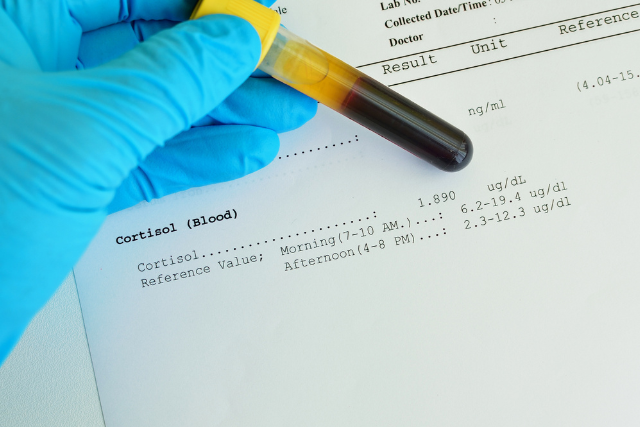
Managing cortisol levels in people with alcohol use disorder involves both behavioral interventions and medications. Each approach targets different aspects, like reducing stress or supporting detox.
Behavioral Interventions and Therapies
Behavioral interventions help manage daily stress and cravings. Cognitive-behavioral therapy (CBT) is a common option. It teaches you to recognize negative thought patterns and replace them with healthier ones. Mindfulness and meditation can also reduce stress and anxiety.
Support groups like Alcoholics Anonymous (AA) offer community support. They provide a safe space to share experiences and strategies. These groups can be essential in preventing relapse.
Regular exercise and healthy sleep also play important roles. Physical activity can lower cortisol levels naturally. Adequate sleep helps regulate your body’s stress hormones.
Pharmacological Supports
Medications for alcohol use disorder don’t target cortisol directly, but they can support recovery. Always use them under a doctor’s care. Naltrexone is often used to reduce cravings. It helps by blocking the euphoric effects of alcohol, making it easier to avoid drinking.
Other medications like benzodiazepines can help manage anxiety and withdrawal symptoms. These are usually prescribed during the detox phase. Antidepressants may also be used if the individual suffers from co-occurring depression.
In some cases, beta-blockers are used to manage physical symptoms like a rapid heartbeat. These are used under medical supervision to control symptoms.
By combining behavioral and pharmacological treatments, you can work toward a healthier stress response and support long-term recovery from alcohol use disorder.
Frequently Asked Questions
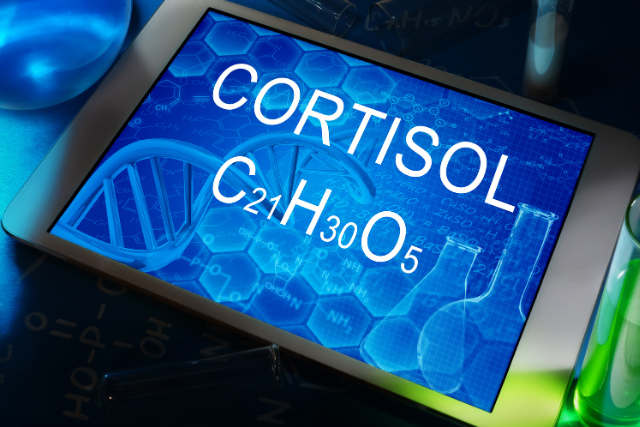
Learn how alcohol consumption impacts cortisol levels and other related effects on your body through this FAQ section.
How does alcohol consumption impact cortisol levels in the body?
When you drink alcohol, your body may respond by increasing cortisol production. This stress hormone helps your body manage stress and various metabolic processes.
Can drinking alcohol lead to an increase in cortisol production?
Yes, consuming alcohol can lead to higher cortisol levels in your blood. This rise can depend on the amount of alcohol and how often you drink.
What is the relationship between withdrawal from alcohol and changes in cortisol levels?
During alcohol withdrawal, cortisol levels may spike. This increase can be stressful and lead to other symptoms like anxiety and sleep issues as your body adapts.
How can alcohol consumption affect cortisol levels and subsequent sleep quality?
Increased cortisol from alcohol consumption can disrupt your sleep patterns. Higher cortisol levels can make it harder to fall asleep and stay asleep, leading to poorer sleep quality.
If you or someone you love needs help, SAMHSA's National Helpline is free, confidential, and open 24/7 at 1-800-662-4357.
Sources
- Stress and the HPA Axis: Role of Glucocorticoids in Alcohol Dependence, Alcohol Research: Current Reviews
- Cushing's Syndrome, MedlinePlus