Snorting Meth: The Dangers and Effects of Methamphetamine Abuse
Contents
- Key Takeaways
- What Is Methamphetamine and Snorting Meth?
- Overview of Methamphetamine
- Forms and Street Names
- Methods of Use
- How Snorting Meth Works
- Absorption and Onset
- Short-Term Effects
- Differences from Other Methods
- Risks and Dangers of Snorting Meth
- Physical Health Effects
- Mental Health Impacts
- Infectious Diseases
- Addiction, Cravings, and Withdrawal
- Cycle of Addiction
- Cravings and Triggers
- Withdrawal Symptoms
- Long-Term Consequences of Snorting Meth
- Cognitive and Emotional Effects
- Physical Deterioration
- Context, Trends, and Related Stimulant Use
- Meth and the Overdose Crisis
- Other Stimulant Drugs
- Frequently Asked Questions
- What are the potential health risks associated with snorting methamphetamine?
- What are the common signs of addiction in individuals using methamphetamines?
- How does methamphetamine affect the brain and nervous system?
- What addiction treatment options are available for meth abuse?
- Can methamphetamine use lead to overdose, and what are the symptoms?
- What legal repercussions can occur from the possession or use of methamphetamine?
- Sources
Snorting meth is a way some people use methamphetamine, a strong stimulant that is almost always made and sold illegally.
Even one use can be dangerous, and repeated snorting can seriously harm your nose, brain, and overall health.
If you’re wondering what really goes on when someone snorts meth, you should know the facts to keep yourself safe.
Key Takeaways
- Snorting meth sends the drug into your bloodstream fast.
- This method can really damage your body and brain.
- Meth use often leads to addiction and lasting health issues.
What Is Methamphetamine and Snorting Meth?
Methamphetamine is a powerful stimulant that messes with your brain and body.
It comes in different forms and people use it in different ways, including snorting.
Overview of Methamphetamine
Most methamphetamine is made in illegal labs.
It’s related to amphetamine, which doctors prescribe for ADHD and the sleep disorder narcolepsy.
This drug speeds up your brain and nerves.
Some people use it to feel more energetic or alert, but it can cause serious health problems.
Methamphetamine is highly addictive, and even short-term use can lead to dependence.
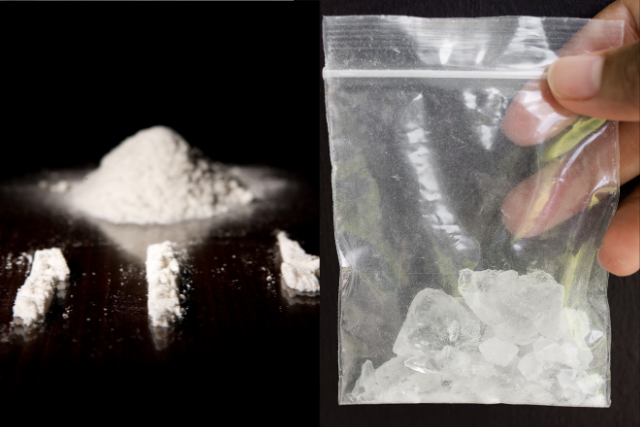
It can look like white or off-white powder, small crystals, or shiny rock-like chunks.
Doesn’t matter what it looks like; every form is risky.
Forms and Street Names
Methamphetamine has a few different looks.
It might be a fine powder, crystals, or glassy chunks.
The powder form goes by names like “chalk” or “speed.”
The crystal version is often called “crystal meth,” “ice,” or “glass.”
On the street, you might also hear “crank” or “Tina.”
Some people mix meth with other drugs or alcohol, and illegal meth can contain hidden fentanyl.
Here’s a quick table of common forms and street names:
| Form | Common Names |
|---|---|
| Powder | Chalk, Speed, Crank |
| Crystal (shiny, bluish-white rocks) | Ice, Crystal Meth, Glass, Tina |
Whatever the form, the risks stay high.
Methods of Use
People use meth in several ways.
People snort it, smoke it, inject it, or swallow it. Smoking is the most common method.
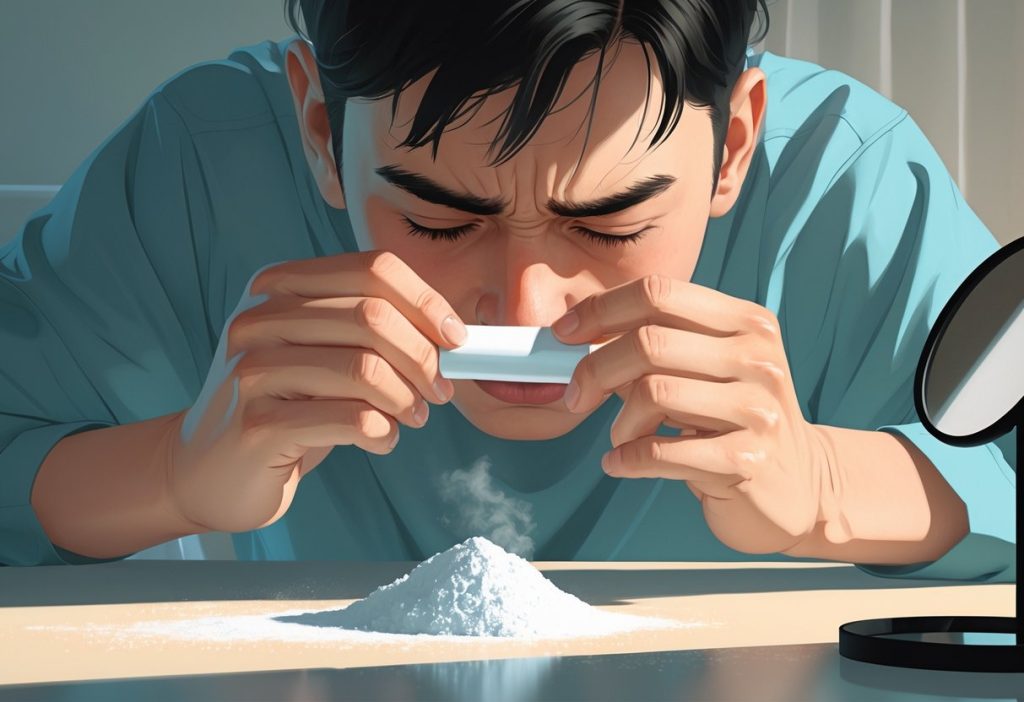
Snorting means inhaling the powder through your nose, sending the drug into your bloodstream quickly.
This can mess up your nose and sinuses.
Smoking meth (usually the crystal or glass form) means heating it and breathing in the fumes.
Injecting puts meth right into your blood with a needle.
Some people swallow it by mixing it with water or drinks.
Each method comes with its own set of risks.
Snorting is common with powdered meth, while “ice” or “crystal meth” is more often smoked.
However you do it, meth is dangerous.
How Snorting Meth Works
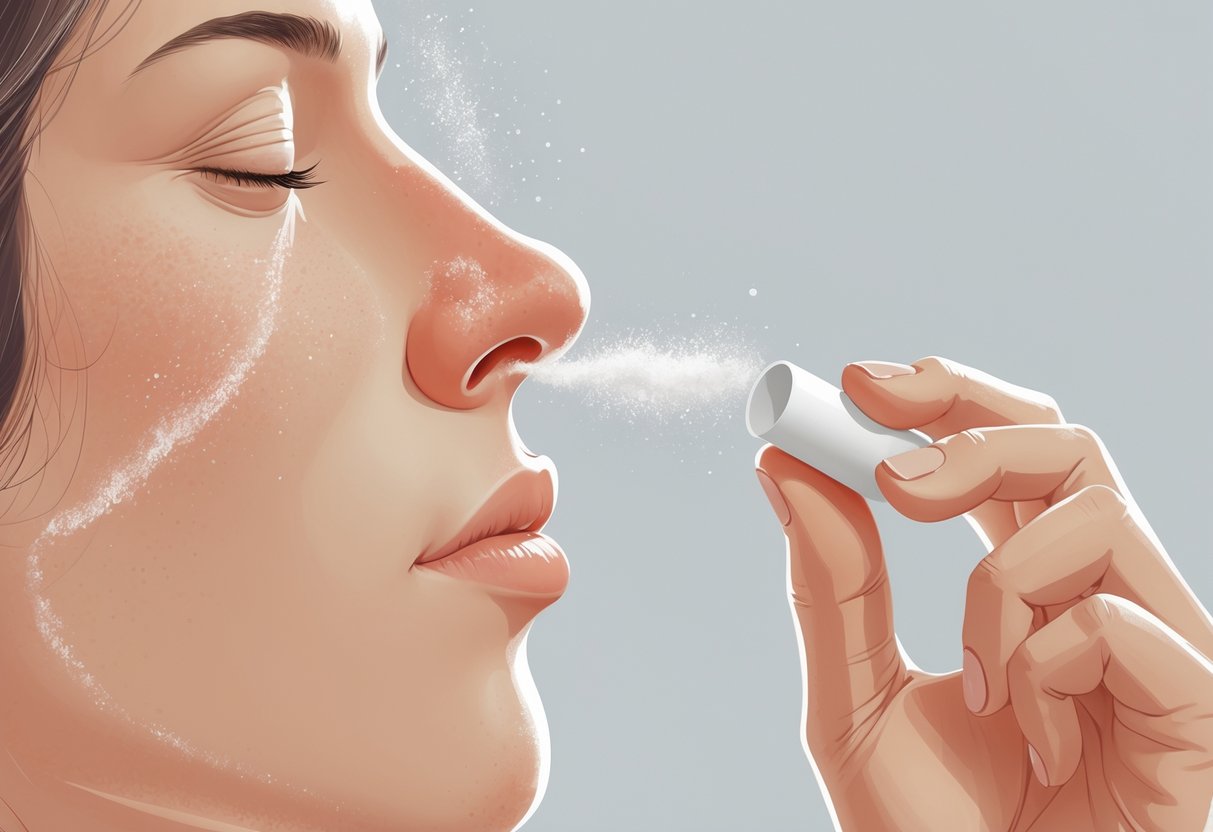
When you snort meth, the drug goes through the tissue inside your nose.
This method brings on quick effects in your brain and body.
The way meth hits you, and how it feels, changes depending on how you use it.
Absorption and Onset
Snorting meth means inhaling the powder up your nose.
The lining in your nose absorbs the drug fast into your blood.
Once meth gets to your blood, it shoots up to your brain and causes a surge in chemicals, especially dopamine.
Dopamine is the brain’s “feel-good” messenger.
The effects usually kick in within a few minutes, faster than swallowing but slower than smoking or injecting.
Because it skips your stomach, snorting meth speeds up the onset compared to eating it.
Most people feel euphoria, energy, and alertness pretty soon after.
This fast brain hit is why some people choose to snort it.
Short-Term Effects
The short-term effects of snorting meth can be really intense.
You might feel euphoria, laser focus, and bursts of energy.
Many people lose their appetite and don’t feel like sleeping at all.
Your heart rate, blood pressure, and body temperature can shoot up.
This might make you feel restless or on edge.
Some folks notice rapid breathing, sweating, or anxiety.
Snorting meth can also be neurotoxic, so it can actually damage your brain cells.
Meth’s effects last much longer than cocaine’s, often many hours. When the drug wears off, you could feel irritable, exhausted, or paranoid.
Keep using, and you’re looking at nosebleeds or damage to your nasal tissue.
Differences from Other Methods
Snorting meth isn’t quite like other ways of using it.
Smoking or injecting meth hits your brain faster than snorting does.
The “rush” or euphoria might not be as instant or intense with snorting.
Some people snort to avoid needles, but it still does damage.
You can end up with messed-up nasal passages, constant nosebleeds, or infections.
Here’s a table with key differences:
| Method | Onset | Euphoria Level | Common Risks |
|---|---|---|---|
| Snorting | Minutes | Moderate | Nose damage, infections |
| Smoking | Seconds | Intense | Lung damage, quick effects |
| Injecting | Seconds | Most intense | Infection, vein damage |
Each method changes how meth gets in your system, how fast you feel it, and what risks you take on.
Risks and Dangers of Snorting Meth

Snorting meth can wreck both your physical and mental health.
It also raises your chances of catching infectious diseases if you use unsafe practices.
Physical Health Effects
Snorting meth can tear up the inside of your nose and sinuses.
You might get constant nosebleeds, pain, or even holes in your nasal wall after a while.
The drug dries out your mouth, which can lead to “meth mouth,” meaning rotten teeth and infected gums.
Other risks include high blood pressure, a racing or uneven heartbeat, and trouble breathing.
Meth use can trigger strokes or heart attacks.
After using, you might crash, feeling wiped out or weak for days.
Overdosing on meth is deadly serious.
Look for chest pain, seizures, very high body temperature, or trouble staying awake. These mean you need emergency help, so call 911.
Key physical risks:
- Nose and sinus damage
- Dry mouth, tooth decay (meth mouth)
- Heart problems and stroke
- Fatigue
- Overdose
Mental Health Impacts
Meth can make you anxious, jumpy, or super suspicious of people.
The more you use, the worse these feelings get.
Some people start seeing or hearing things that aren’t real. This is called psychosis.
This can stick around even after you stop using.
Depression is common when the high fades, leaving you feeling hopeless.
Meth can mess with your sleep and make clear thinking tough.
Problems with memory, focus, and decision-making can drag on for weeks or months after quitting.
Key mental health impacts:
- Anxiety and paranoia
- Psychosis (hallucinations, delusions)
- Depression
- Trouble thinking clearly
- Sleep problems
Infectious Diseases
Sharing straws or other things to snort meth ups your risk for infectious diseases.
Small cuts in your nose can let in bloodborne viruses like HIV, Hepatitis B, and Hepatitis C.
If you trade sex for drugs or share personal items, your risk climbs even higher.
Meth can mess with your judgment, making risky choices more likely.
If you want to protect yourself, don’t share drug tools and stay aware of the health risks.
Infections like these can cause lifelong problems.
Main infectious disease risks:
- HIV
- Hepatitis B
- Hepatitis C
- Other bloodborne viruses
Addiction, Cravings, and Withdrawal
Snorting this substance can pull you into meth addiction, cause intense cravings, and make withdrawal a real struggle.
These issues hit your brain, your emotions, and your daily life.
Cycle of Addiction
When you snort meth, your brain dumps out a ton of dopamine, making you feel amazing at first.
But your brain gets used to those high dopamine levels and starts wanting more, so you end up using again and again.
Meth addiction, called substance use disorder, is a big deal.
You might end up using just to feel “normal” instead of getting high.
This cycle can make quitting feel impossible, even when you want out.
Family, work, and school can all take a hit.
Things you used to enjoy might not matter anymore.
It’s not just about willpower; meth changes how your brain works and how you make choices.
Cravings and Triggers
Cravings are those powerful urges to use meth again, even if you’ve stopped.
They can pop up out of nowhere and feel almost impossible to ignore.
Triggers can be seeing drug stuff, feeling stressed, or hanging around people who use meth.
Even certain places or smells might set you off.
Cravings hit both your mind and body.
You might get mood swings, anxiety, or insomnia.
Knowing your own triggers helps you avoid them or reach out for support.
Here’s a quick list of common triggers:
- Feeling stressed or bored
- Seeing the drug or drug equipment
- Being around people who use meth
- Going to places where you used before
Withdrawal Symptoms
When you stop snorting meth, your body and brain need some time to get used to the change. Withdrawal symptoms can show up just hours after your last use.
Common withdrawal symptoms:
- Tiredness and lack of energy
- Trouble sleeping or sleeping too much
- Strong cravings for meth
- Depression or sadness
- Anxiety or irritation
- Increased appetite
According to NIDA, withdrawal symptoms usually peak 2 to 3 days after the last use and may last about a week. Low mood, anxiety, and cravings can linger for months. They’re uncomfortable, but not usually life-threatening.
Some people feel extremely down and need medical help. If you have thoughts of hurting yourself, call or text 988 right away. It’s wise to get support during withdrawal.
Talking to a doctor or addiction counselor can help you manage symptoms and lower the risk of going back to meth.
Long-Term Consequences of Snorting Meth
Snorting meth can really mess with both your brain and body. Sometimes the effects stick around for years, and they don’t always go away even if you quit.
Cognitive and Emotional Effects
Using meth for a long time can damage the brain in ways that might never fully heal. Memory problems can pop up, or you might struggle to pay attention and learn new things.
This makes school or work tougher than it should be. Meth can also change how you feel and react to stuff.
Many people get anxious, depressed, or paranoid after using meth for a while. Emotional swings can get wild, and you might lose interest in things you used to love.
Some folks develop psychosis, seeing or hearing things that aren’t there. That can stick around even after you quit.
If you already have ADHD, meth can make symptoms worse and add new problems, like trouble sitting still or controlling your temper.
Physical Deterioration
Meth hits your body in a bunch of ways. “Meth mouth” is a big one: severe tooth decay and gum disease from dry mouth, teeth grinding, and not taking care of your teeth.
You might lose weight fast, ending up looking thin and unhealthy. Snorting meth over and over tears up the inside of your nose, which can mean nosebleeds, a runny nose that never quits, or even holes in your septum.
Long-term meth use is tied to heart problems, like high blood pressure, irregular heartbeat, heart failure, and a higher risk of stroke. People who use meth also face a higher risk of infections, including HIV and hepatitis, from shared equipment and risky sex.
Context, Trends, and Related Stimulant Use
Snorting meth isn’t the only way people use it. NIDA notes that meth is most often smoked, but it can also be snorted, injected, swallowed, or taken rectally. Meth use often overlaps with other stimulants or opioids.
Meth and the Overdose Crisis
Most methamphetamine in the U.S. is made illegally. According to NIDA, meth is the second most common drug found in people who die of an overdose, after synthetic opioids like fentanyl.
People may combine meth and opioids on purpose. In other cases, fentanyl is added to meth without the buyer knowing.
Because of this, experts recommend giving naloxone (Narcan) to anyone with slowed or stopped breathing after using drugs. Fentanyl test strips can also help people check for hidden fentanyl.
Other Stimulant Drugs
Meth isn’t the only stimulant people snort. Cocaine is also popular, and sometimes folks use both together, which isn’t a great idea for your health.
Mixing meth or cocaine with opioids like heroin or fentanyl seriously ups the risk of overdose. Health officials warn that using several drugs at once raises the risk of heart problems and addiction.
Here’s a quick table of common stimulants and their risks:
| Drug | How It’s Used | Main Risks |
|---|---|---|
| Meth | Smoking, snorting, injecting, swallowing | Addiction, psychosis, heart problems, overdose |
| Cocaine | Snorting, smoking, injecting | Heart attack, stroke, overdose |
| Meth or cocaine with opioids | Varies | Much higher overdose risk |
Frequently Asked Questions
Snorting methamphetamine can hurt your body and mind, and it’s illegal. Risks, addiction signs, how meth works in your body, treatment, overdose symptoms, and legal trouble all matter here.
What are the potential health risks associated with snorting methamphetamine?
Snorting meth damages your nose and sinuses. You can get nosebleeds, sores, or even holes in your nose tissue.
Long-term use also leads to heart problems, high blood pressure, anxiety, confusion, and awful dental issues.
What are the common signs of addiction in individuals using methamphetamines?
Needing more meth to get the same effect and using it even when you want to quit are big signs. You might feel restless, anxious, or angry.
Changes in sleep, losing your appetite, and ignoring daily stuff also point to addiction.
How does methamphetamine affect the brain and nervous system?
Meth ramps up chemicals in your brain that make you feel alert and wired. Over time, it can damage parts of your brain that handle emotions, memory, and self-control.
You may find it harder to think clearly or control your impulses.
What addiction treatment options are available for meth abuse?
There are no FDA-approved medications for meth addiction, but behavioral treatments work. Contingency management, which offers small rewards for staying drug-free, has the strongest evidence. CBT, group support, and motivational interviewing can also help.
A doctor can help with health problems and withdrawal, and a good support system really matters for recovery.
Can methamphetamine use lead to overdose, and what are the symptoms?
Yes, you can overdose on meth. Watch for high fever, severe chest pain, a racing or weird heartbeat, seizures, trouble breathing, and extreme agitation.
If you spot these signs, call 911 right away. If the person’s breathing is slow or has stopped, give naloxone if you have it, since meth may contain fentanyl.
What legal repercussions can occur from the possession or use of methamphetamine?
Possessing or using meth is illegal in most places. You might get arrested, fined, or even sent to jail.
If you have meth on you, it can stick you with a criminal record. That kind of record can mess with your chances for jobs, school, or even finding a place to live.
If you or someone you love is struggling with meth, you can call SAMHSA’s National Helpline at 1-800-662-4357. It is free, confidential, and available 24/7.
Sources
- Methamphetamine, National Institute on Drug Abuse
- Cocaine, National Institute on Drug Abuse