Is Delta 8 Addictive? A Guide to Risks and Effects
Contents
- Key Takeaways
- Understanding Delta-8 and Its Properties
- Chemistry of Delta-8 THC
- Comparing Delta-8 and Delta-9
- Potential Health Implications
- Legality and Accessibility
- Health Effects and Addiction Potential
- Psychoactive Profile and Risks
- Side Effects and Adverse Reactions
- Understanding Addiction and Dependency
- Frequently Asked Questions
- Can using delta-8 lead to addiction?
- What are the potential withdrawal symptoms associated with delta-8?
- Are there long-term health risks associated with consuming delta-8?
- Can delta-8 usage affect heart health?
- Is delta-8 considered a synthetic cannabinoid, and what are the implications?
- Sources
Delta-8, a compound found in cannabis and hemp, has gained popularity for its psychoactive effects. Delta-8 can be addictive, especially with frequent, heavy use, because it is an intoxicating form of THC.
Research on delta-8 itself is limited. But frequent use of THC products is linked to cannabis use disorder, and the same risk likely applies to delta-8.
It’s not enough to just answer the question “Is Delta 8 addictive” because beyond that, understanding the potential risks is important for making informed choices. Here is what the evidence shows.
Key Takeaways
- Delta-8 has psychoactive effects similar to other cannabis products.
- Frequent, heavy use of Delta-8 can lead to dependence and addiction.
- Delta-8 products are not FDA-approved, and their quality varies.
- Awareness of the health effects is essential for safe consumption.
Understanding Delta-8 and Its Properties
Delta-8 THC is a cannabinoid found in small amounts in cannabis. It’s similar to delta-9 but has some distinct differences. Most delta-8 products are made in a lab, and its legal status varies.
Chemistry of Delta-8 THC
Delta-8 THC, or delta-8-tetrahydrocannabinol, is a compound found in Cannabis sativa. It’s similar in structure to delta-9 THC. Both share the same chemical formula but have a slightly different arrangement of atoms. This difference affects how they bind to cannabinoid receptors in your brain.
Because natural amounts are so small, concentrated delta-8 is usually made by chemically converting hemp-derived CBD. The FDA warns that this process can involve unsafe chemicals and leave harmful byproducts in the final product.
Comparing Delta-8 and Delta-9
Delta-8 THC and delta-9 THC are similar but not identical. Delta-9 THC is the main psychoactive component in cannabis. Delta-8 THC is less potent, meaning it might have milder effects.
People often report that delta-8 feels milder than delta-9. Still, the FDA says delta-8 has psychoactive and intoxicating effects similar to delta-9, so it can get you “high” and impair you.
Potential Health Implications
Some users turn to delta-8 hoping for pain relief, less anxiety, or better sleep. These benefits have not been proven, and no delta-8 product has been approved by the FDA for any medical use.
Research is still limited. Since delta-8 is usually lab-made, purity and quality can vary, so caution is advised. Talk to a doctor before using it, especially if you take other medicines.
Legality and Accessibility
Delta-8’s legal status is complex. Many products are sold under the 2018 Farm Bill’s legalization of hemp, but that interpretation has been disputed. Many states restrict or ban delta-8, and the rules keep changing.
Availability also varies by region. You might find it in cannabis dispensaries, vape shops, or online. Always check your local laws before buying or using delta-8 products.
Health Effects and Addiction Potential
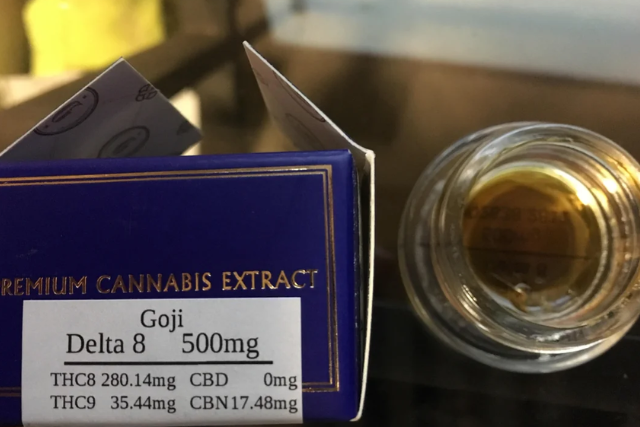
Delta 8 THC impacts your body and mind in significant ways. It’s essential to know how it affects your health and the potential for addiction.
Psychoactive Profile and Risks
Delta 8 THC has psychoactive effects that alter your mood and perception. These effects can make you feel relaxed, happy, or even sleepy.
It can also cause hallucinations, anxiety, and paranoia in some people. The brain’s response to Delta 8 varies, leading to different experiences.
Using Delta 8 comes with risks. High doses increase the chances of negative effects. Edibles are a particular concern because they take longer to kick in, which can lead people to take too much.
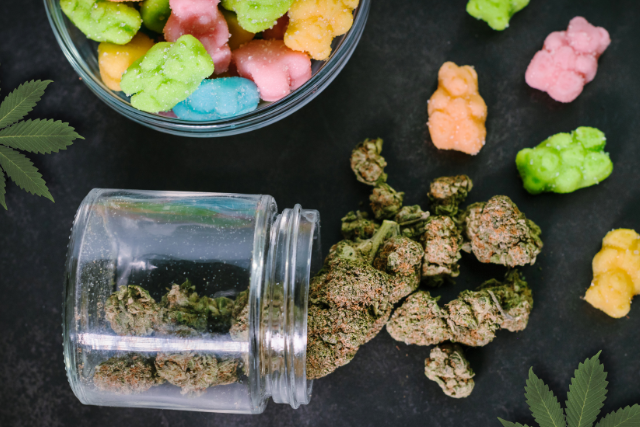
Keep products away from children and pets. Many delta-8 products look like candy, and poison control centers have reported many accidental exposures in children.
Side Effects and Adverse Reactions
Delta 8 can cause several side effects. Some common ones include dry mouth, red eyes, and increased appetite.
It can also affect your sleep. Some users report feeling too tired, while others might have trouble falling asleep. Memory may also be affected, especially with long-term use.
Adverse reactions can occur, such as anxiety or a racing heart. These effects are more likely at high doses or with frequent use. It’s critical to monitor how your body reacts to Delta 8.
Understanding Addiction and Dependency
Addiction to Delta 8 happens due to its effects on the brain. Like other THC products, frequent use can lead to dependence, where your brain adapts and you feel unwell without it.
NIDA estimates that 22% to 30% of people who use cannabis have cannabis use disorder. How often someone uses is the strongest predictor.
Cravings and withdrawal symptoms can happen if you stop after heavy, long-term use. Symptoms may include irritability, anxiety, trouble sleeping, and loss of appetite.
Understanding the risk of addiction helps you make informed choices about using Delta 8. Awareness and moderation are key to reducing the potential for dependence.
Read Also: Marijuana Addiction Treatment
Frequently Asked Questions
Delta-8 may have addictive properties, withdrawal symptoms, and potential long-term health risks. It is important to understand these aspects before use.
Can using delta-8 lead to addiction?
Yes, using delta-8 can lead to addiction. Frequent, heavy use may cause your brain to rely on it, making it hard to stop. Research on delta-8 specifically is still limited.
What are the potential withdrawal symptoms associated with delta-8?
Withdrawal symptoms can include trouble sleeping, irritability, mood changes, and lower appetite. You might also feel anxious or crave the product. If symptoms are hard to manage, talk to a doctor.
Are there long-term health risks associated with consuming delta-8?
Long-term health risks are still being studied. Some possible risks might include mental health issues and problems with memory and concentration.
Can delta-8 usage affect heart health?
Delta-8 may impact heart health. You might experience changes in blood pressure or heart rate. It’s important to talk to a doctor if you have heart issues.
Is delta-8 considered a synthetic cannabinoid, and what are the implications?
Delta-8 occurs naturally, but only in tiny amounts. Most delta-8 sold today is made by chemically converting CBD, and these products may contain unknown byproducts.
Sources
- 5 Things to Know about Delta-8 Tetrahydrocannabinol – Delta-8 THC, U.S. Food and Drug Administration
- Cannabis (Marijuana), National Institute on Drug Abuse